
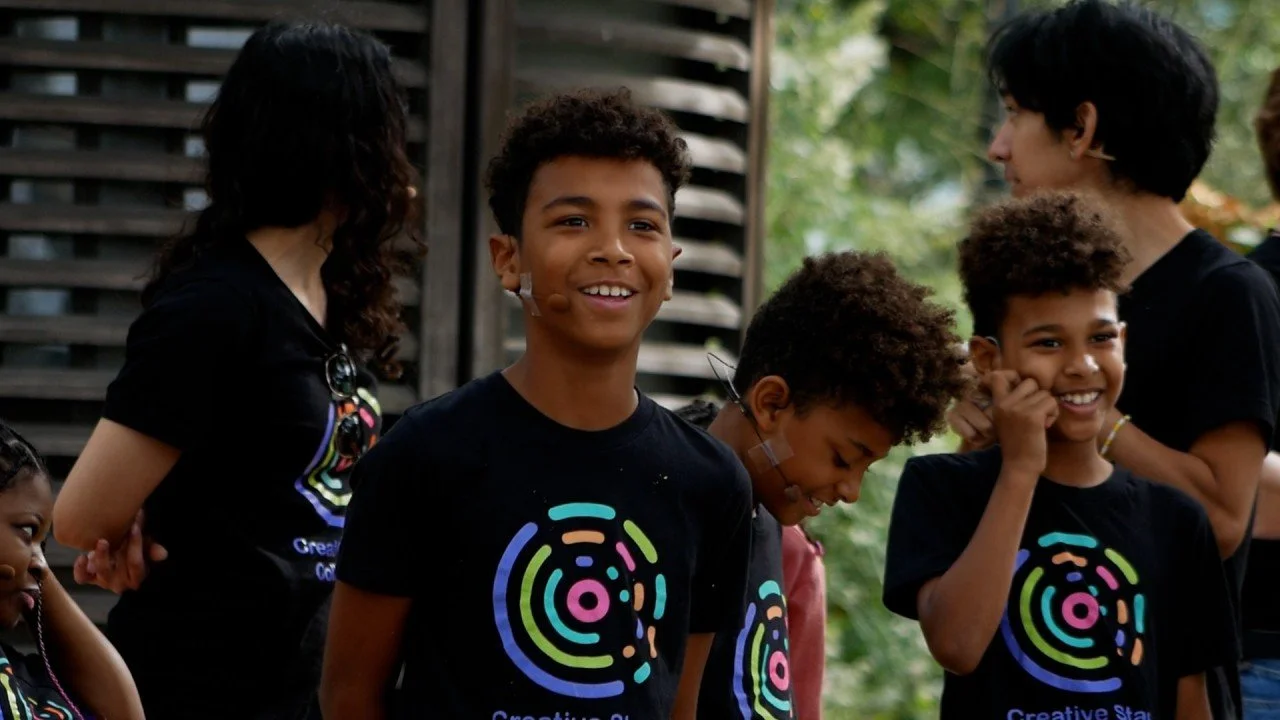
The next generation won’t compete with machines — they’ll lead through imagination, empathy, and the ability to bring people together.
I recently tuned into an episode of The Diary of a CEO where Steven Bartlett interviewed Dr. Roman Yampolskiy, an AI safety expert who has spent the last fifteen years studying how to make artificial intelligence safer for humanity. His research suggests that within the next several years, up to 99% of today’s workforce could become obsolete. Even those with more conservative predictions agree: AI is ushering in a period of rapid, unpredictable change.
One question keeps surfacing in these conversations: if billions of people no longer need to work, how will they find purpose?
Yampolskiy suggested that the only jobs left to humans will be those where, for some reason, a human being is preferable to a machine — because soon, even fields like plumbing or electrical work, thought to be the last bastion of AI-secure jobs, will be done more efficiently by AI-driven robots.
It struck me that what we need most to prepare for the world that is coming are people who can joyfully create meaning and connection.
This is at the core of everything we are doing at Creative Stage Collective. Our company brings together kids, parents, and artists who value imagination and the power of play. We are developing youth who are comfortable collaborating across generations — young people who can speak confidently with adults and with each other in real life.
We’re building links between artists, families, schools, local businesses, and community organizations, and gardens — creating networks of connection that strengthen the social fabric itself.
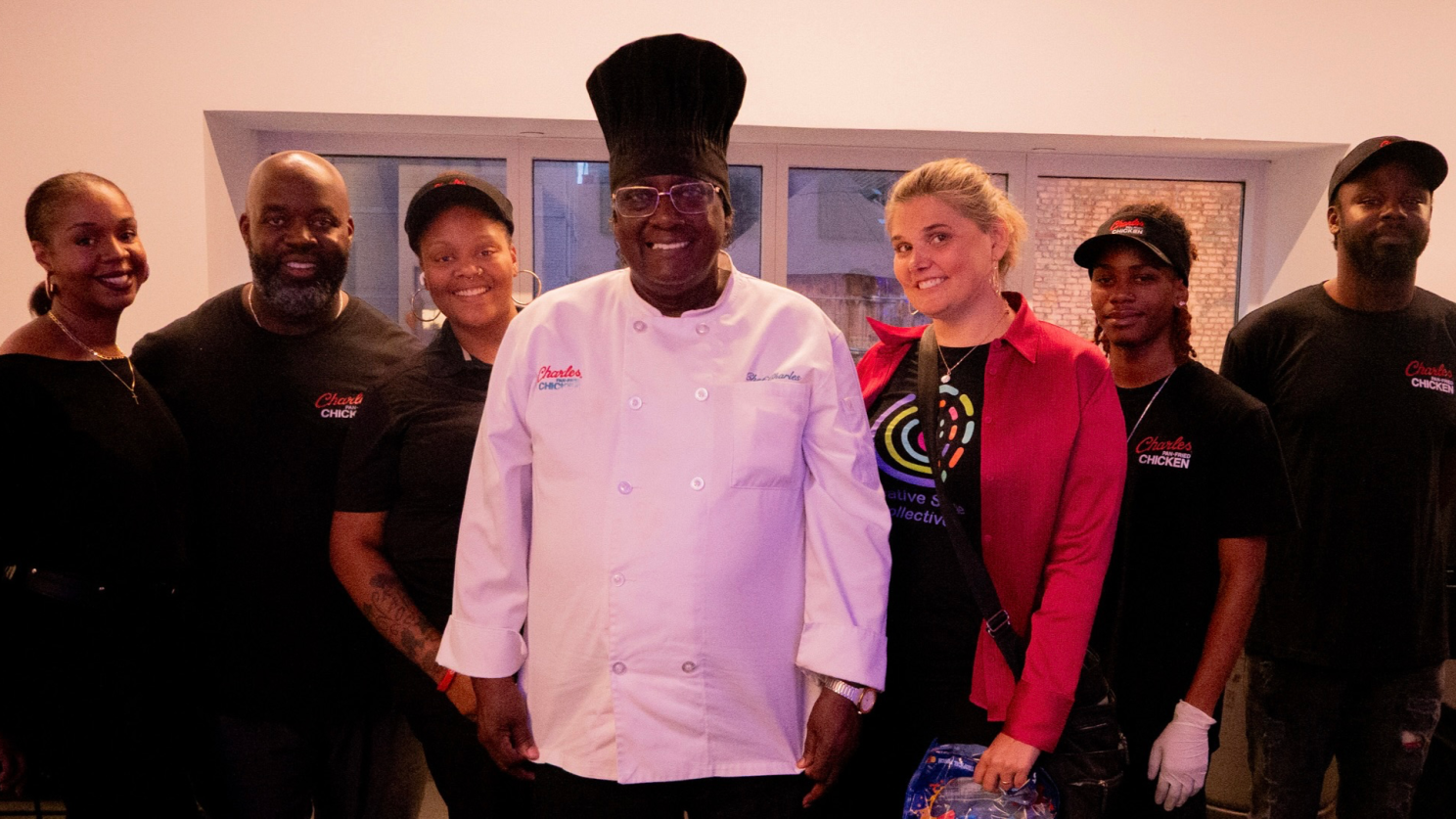
Creative Stage Collective is proud to be partnering with iconic local Harlem eatery, Charles Pan Fried Chicken and the Charles Pan Fried Chicken COO, Chef Quie Slobert, who is the founder of the non profit, Cooking with Shirley's Son.

The multigenerational Creative Stage Collective troupe performs in the Electric Ladybug Garden in Harlem.
Through this work, our young people see the impact they can make on audiences large and small. They feel purpose when they see someone in the crowd wipe away tears of laughter caused by their performance. They also learn empathy for each other and the wider world as they create something together that is greater than the sum of its parts.The Creative Stage Collective troupe lights up the Peter Jay Sharp Theater at Symphony Space with an original musical sketch comedy revue—celebrating imagination, collaboration, and community on stage.The Creative Stage Collective troupe lights up the Peter Jay Sharp Theater at Symphony Space with an original musical sketch comedy revue—celebrating imagination, collaboration, and community on stage.The Creative Stage Collective troupe lights up the Peter Jay Sharp Theater at Symphony Space with an original musical sketch comedy revue—celebrating imagination, collaboration, and community on stage.
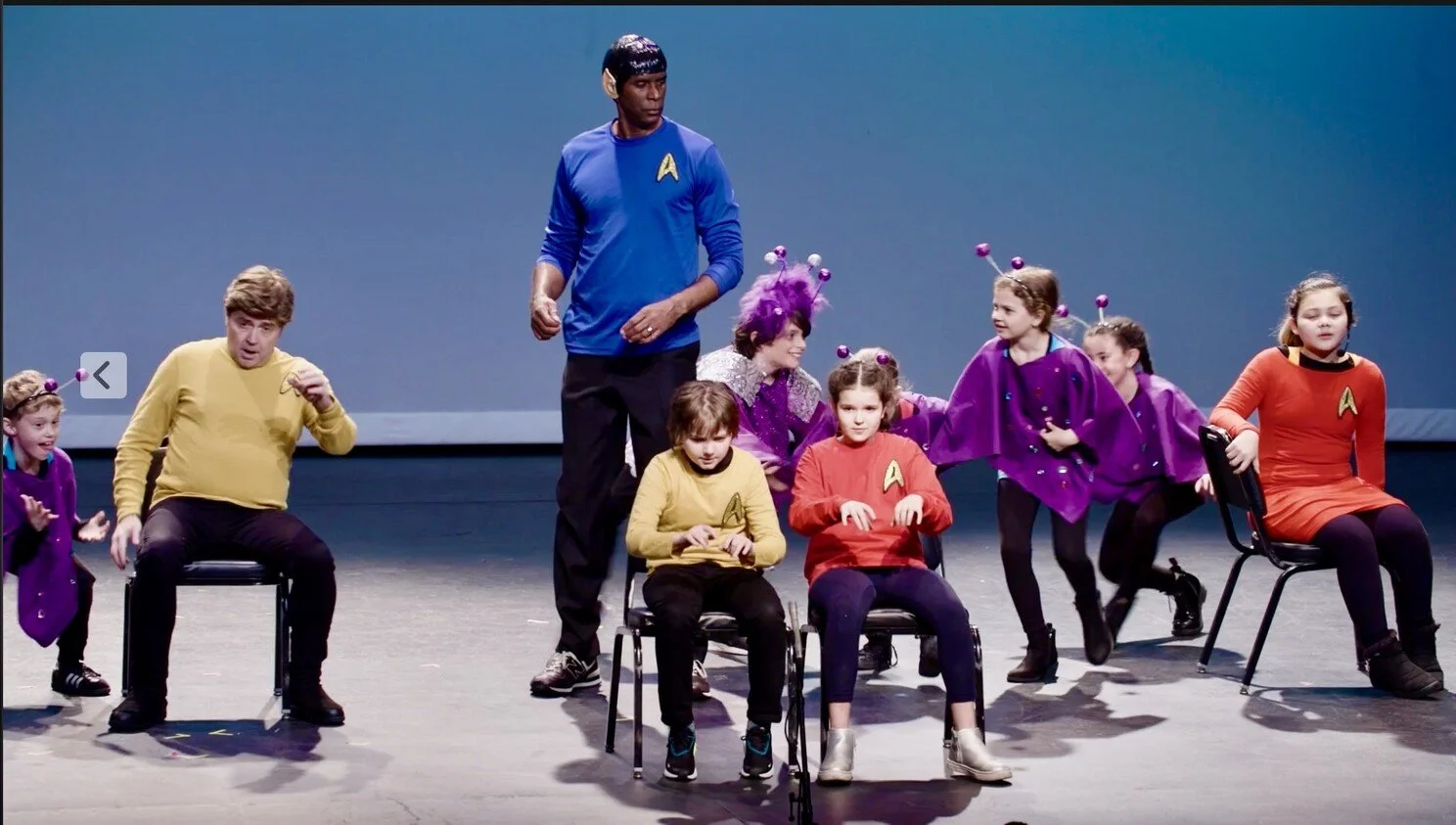
The Creative Stage Collective troupe performs an original Musical Sketch Comedy Revue at Peter Jay Sharp Theater at Symphony Space.
Yes, AI can already compose music, generate stories, or even analyze what makes entertainment “work.” It can teach, simulate therapy, and produce art at remarkable speed. But what AI can never do is feel what it means to make another person’s heart shift. It cannot experience shared laughter, trust, or the subtle spark that passes between people sharing a human interaction.As we consider what skills our youth will need — what we all will still need — to thrive in the world that comes next, I know what I want for my own child: the ability to gather, inspire, lead, empathize, play, console, dream, create, and collaborate. Not as a job description — but as a way of being — beautifully, unmistakably human.