
On a very snowy day, as powder fell outside my Manhattan apartment window, I was digging through unfinished articles and came across Evan Shinners’ New York Times guest essay, Stop Mutilating Classical Music to Sell It to Kids. Mr. Shinners is a pianist and harpsichordist and hosts the podcast W.T.F. Bach.
First of all, let me say, Mr. Shinners: I think we are all on the same side here. We love the art form and want to see the traditions live on.
Mr. Shinners’ Bach Store project sounds extremely valuable — offering audiences an opportunity to experience the music of a great composer with careful attention to period practice, recreating that music to the best of our knowledge as Bach would have performed it. Bravo, Mr. Shinners!
But while we need these opportunities to experience the music played by experts in period practice, it can sometimes feel as though classical music purists would put a stranglehold on the repertoire with an almost religious zeal. Mr. Shinners refers to Lincoln Center as the “temple of classical music — the church of Tchaikovsky — that should be regarded as such.” “Hmmm,” I ask myself as the snow swirls outside my window. “Really?”
The classical tradition has always embraced reinterpretation: Johann Sebastian Bach reworked concertos by Antonio Vivaldi; Wolfgang Amadeus Mozart modernized George Frideric Handel’s Messiah; and Franz Liszt transformed all nine symphonies of Ludwig van Beethoven into works for solo piano. Mr. Shinners, it’s great that you don’t “mix Bach and rap” or “set Beatles lyrics to the St. Matthew Passion.” But if someone else (who also loves Bach) wants to innovate, where is the problem?
Reworking is not sacrilege. It’s a sacrament.
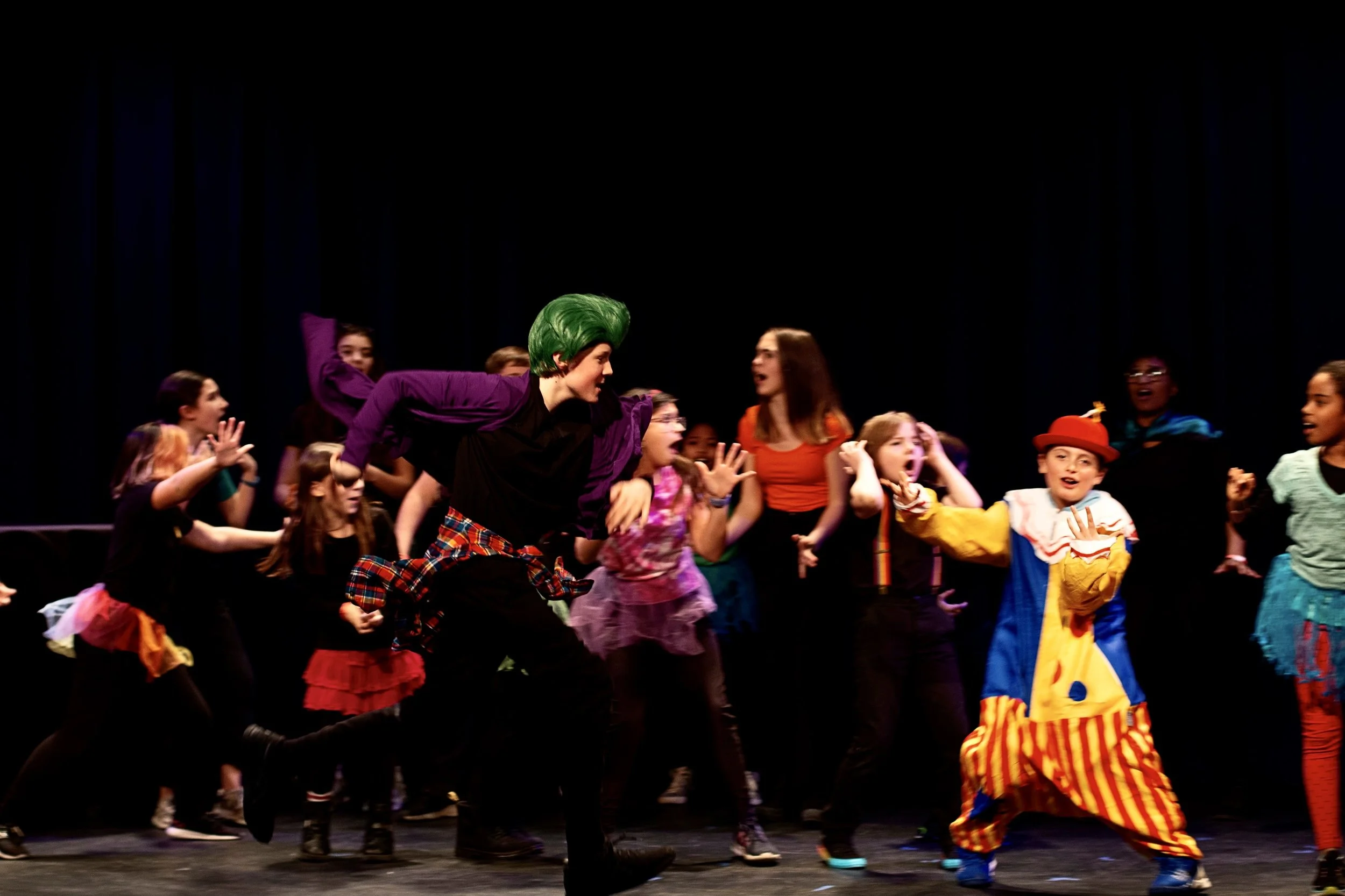
I founded Creative Stage Collective in 2020, where our multigenerational troupe devises stories and characters from improv and pairs newly minted lyrics with the work of great composers and songwriters — including, yes, Bach.
When children at Creative Stage Collective encounter Bach or other classical composers, they learn to make his music their own. They gain something immediate and personal. They form memories that say: This is mine. I know this. I understand it. This belongs to me.
That’s not “mutilation.” That’s...fun!
Mr. Shinners references Neil Postman’s 1980s argument that Sesame Street wasn’t teaching children to love math, only to love television. But what he doesn’t mention is that Postman turned out to be wrong. There is strong evidence that watching Sesame Street improves measurable school readiness — including language, vocabulary, and math skills. Children who watch the show perform better on tests of letters, words, math skills, and overall preparedness than those who do not. So it’s simply not true that the show “only makes kids love television” without educational value.
Mr. Shinners also says the Met’s Magic Flute is an example of “the misguided belief that this is the way to win new converts.” But is it misguided? The Met’s English-language, family-friendly production consistently sells at the top of the season’s box office, filling roughly 87% of available seats and expanding performances due to demand. I wouldn’t call that misguided — I’d call that effective.
So, no. I don’t think Mr. Shinners earns more points by playing five uninterrupted hours of Bach for free than the Met wins for performing an abridged Magic Flute aimed at young audiences, or than Creative Stage Collective does by teaching Bach’s piano inventions arranged into wild, joyful songs that children sing — deeply, musically, and in a way they internalize. Playful explorations don't destroy the music—they allow young people and nontraditional audiences to build connections to it.
Bach won’t break.
So maybe it’s the snow piling up outside on this wintry day, but I’d argue that we don’t need less — we need more! More Bach Store, more Creative Stage Collective, more Met Magic Flute, more of all of it!
Classical music doesn’t need protection. It needs participation.
Now, where did I put my sled?